
Nonribosomal peptide synthetases

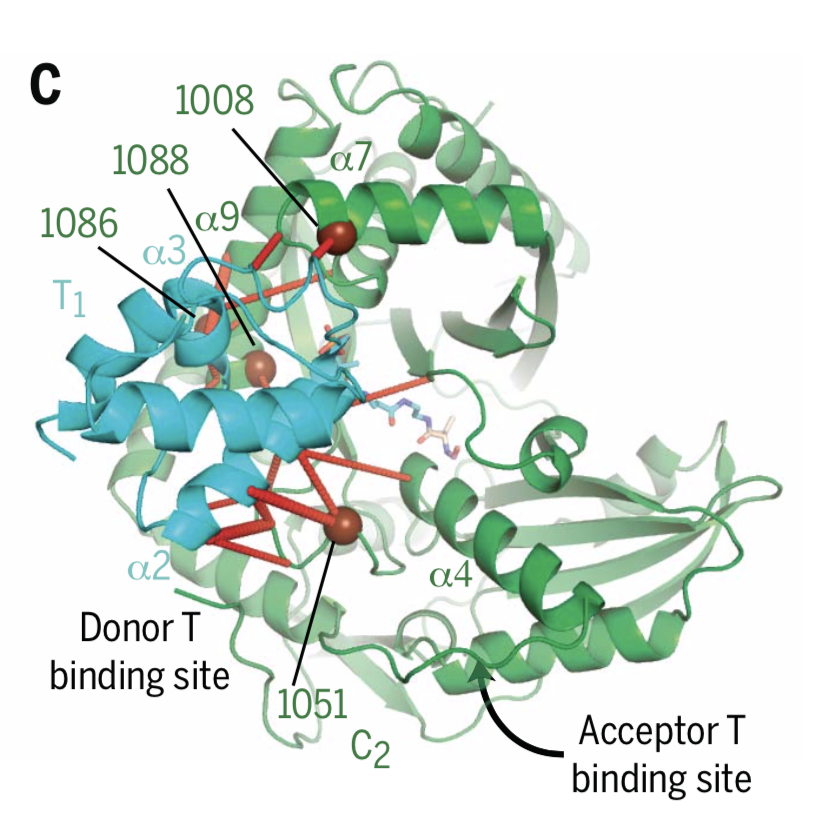
Nonribosomal peptide synthetases (NRPSs) are microbial megaenzymes that make a wide variety of small-molecule products, including many that are clinically used as antitumors, antibiotics, or immunosuppressants. Peptide synthesis proceeds with assembly-line logic, where each station on the NRPS assembly line is a multidomain unit called a module. While the function of single modules is well studied, much less is known how they work together. Researchers from the Schmeing lab at McGill University have resolved several dimodular NRPS structures, which show coordinated interactions between modules, and large conformational changes between catalytically relevant states. Martin Weigt from the “Statstical Genomics and Biological Physics” team has performed complementary coevolutionary analyses using the direct coupling analysis (DCA), which confirm the biological relevance and evolutionary conservation of the observed inter-modular interactions. DCA analysis has also allowed to suggest mutations in a module-swapped chimeric NRPS protein, which significantly increased the activity of the protein, a result of direct…
0 Comments

GEMME

GEMME is a fast, scalable and simple method to predict mutational landscapes from natural sequences. It demonstrates how deleterious effects of a protein mutation are identified by looking at the closest known sequence accepting the mutation in the evolutionary tree of sequences and at its epistatic changes.  The article just appeared in Molecular Biology and Evolution.Link to the articleLink to the webserver

0 Comments

interacting region

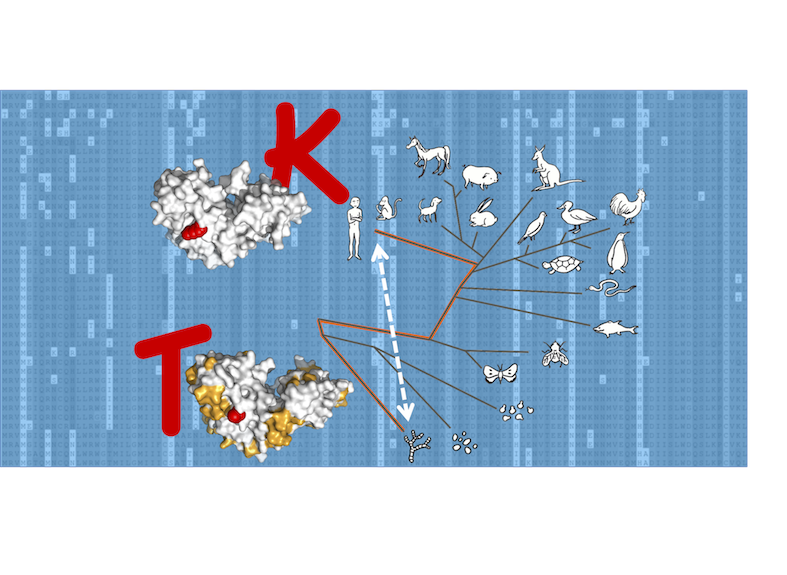
We propose the concept of "interacting region" and the dynJET2 method toward deciphering the complexity underlying protein surface usage and deformability. Interacting regions account for the multiple usage of a protein's surface residues by several partners and for the variability of protein interfaces coming from molecular flexibility. dynJET2 predicts interacting patches by crossing evolutionary, physico‐chemical and geometrical properties of the protein surface with information coming from complete cross‐docking (CC‐D) simulations. Link to the Article

0 Comments

RITMO1

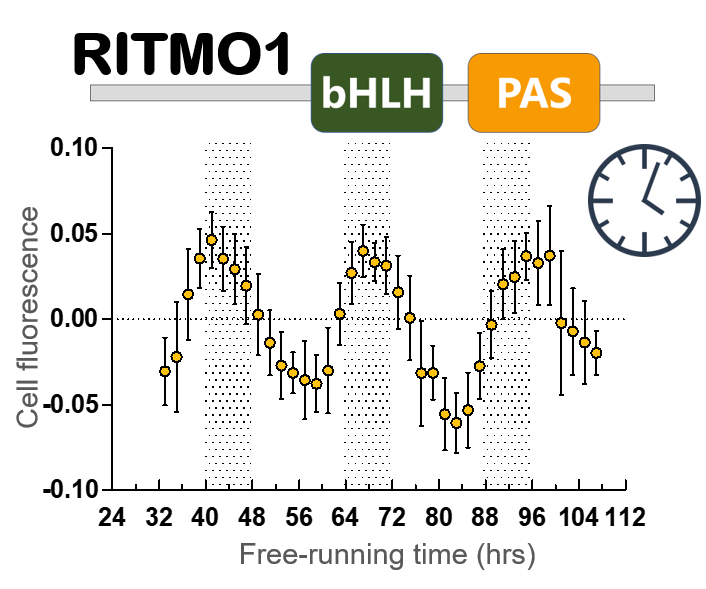
The Team of Diatom Functional Genomics (R. Annunziata, A. Ritter, A.E. Fortunato, A. Manzotti, S. Cheminant Navarro, J.P. Bouly and A. Falciatore), in collaboration with the team of Biology of Genomes (Nicolas Agier) and Marco Cosentino Lagomarsino at the LCQB characterized the circadian rhythms of the marine diatom Phaeodactylum tricornutum and identified the bHLH-PAS protein RITMO1 as the first known regulator of these rhythms in these algae. This study, published on Proceedings of the National Academy of Sciences (PNAS) adds new elements to our understanding of diatom biology and offers new perspectives to elucidate timekeeping mechanisms in marine algae.

0 Comments

Phenotypic diversity

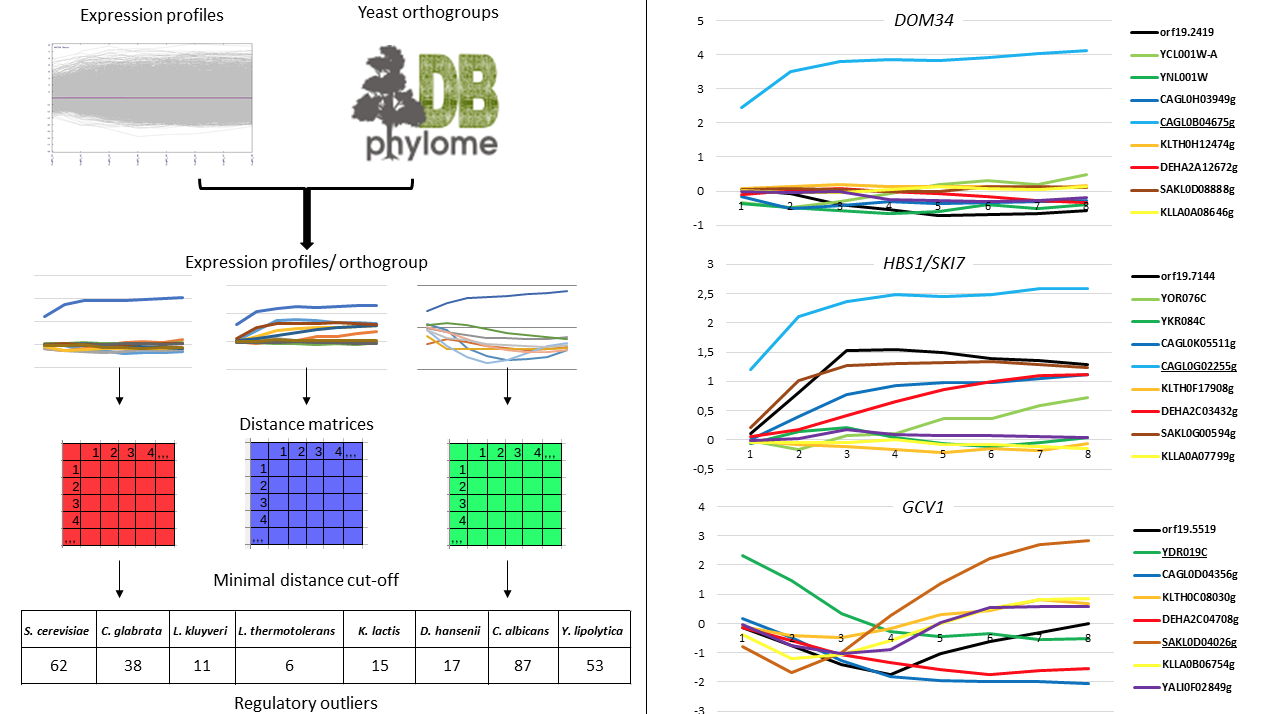
Phenotypic diversity can arise from changes in the gene content of the genomes but also from modifications in the regulation of gene expression. The "genetic networks" team compared gene expression in 8 yeast species to find "regulatory outliers", i.e. conserved genes with special expression profiles compared to their orthologues. The combination of this approach with other functional genomics data (transcriptomics analyses and chromatine immunoprecipitation followed by deep sequencing) led us to identify two genes which are involved in the survival of the human pathogen Candida glabrata upon iron starvation conditions. Iron starvation being a key challenge for C. glabrata survival in blood, this discovery may help us to better understand the invasive strategy of this emerging pathogen.To the Article

0 Comments

Telomere and Genome Stability

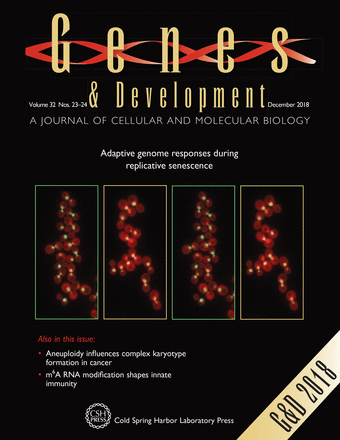
The latest publication of the new LCQB team "Telomere and Genome Stability" (Héloïse Coutelier and Zhou Xu) makes the cover of the December issue of Genes & Development!    The article (Coutelier et al. 2018 Genes Dev.) shows that telomere-induced senescent cells can adapt to the DNA damage checkpoint safeguard mechanism to force cell division, leading to increased genome instability, with important ramifications for aging and cancer. The cover displays cells bearing a fluorescent reporter construct monitoring of the checkpoint status in single cells.

0 Comments