
RITMO1

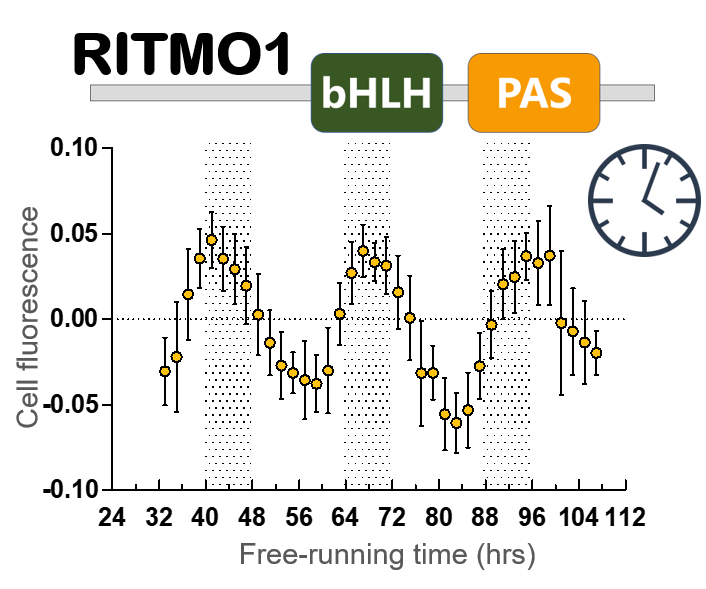
The Team of Diatom Functional Genomics (R. Annunziata, A. Ritter, A.E. Fortunato, A. Manzotti, S. Cheminant Navarro, J.P. Bouly and A. Falciatore), in collaboration with the team of Biology of Genomes (Nicolas Agier) and Marco Cosentino Lagomarsino at the LCQB characterized the circadian rhythms of the marine diatom Phaeodactylum tricornutum and identified the bHLH-PAS protein RITMO1 as the first known regulator of these rhythms in these algae. This study, published on Proceedings of the National Academy of Sciences (PNAS) adds new elements to our understanding of diatom biology and offers new perspectives to elucidate timekeeping mechanisms in marine algae.

0 Comments

Phenotypic diversity

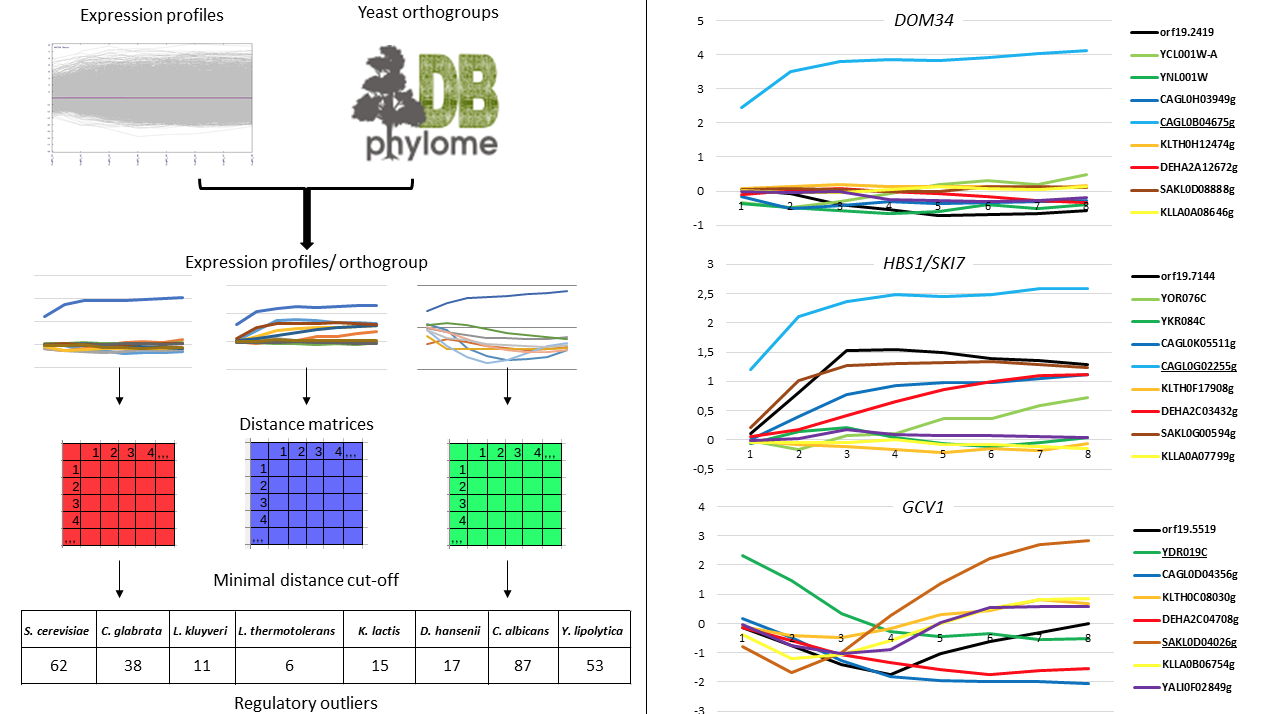
Phenotypic diversity can arise from changes in the gene content of the genomes but also from modifications in the regulation of gene expression. The "genetic networks" team compared gene expression in 8 yeast species to find "regulatory outliers", i.e. conserved genes with special expression profiles compared to their orthologues. The combination of this approach with other functional genomics data (transcriptomics analyses and chromatine immunoprecipitation followed by deep sequencing) led us to identify two genes which are involved in the survival of the human pathogen Candida glabrata upon iron starvation conditions. Iron starvation being a key challenge for C. glabrata survival in blood, this discovery may help us to better understand the invasive strategy of this emerging pathogen.To the Article

0 Comments

Bettencourt Foundation

Angela Falciatore received the Prix Coup d'Elan 2018 from the Bettencourt Foundation. This prize will help to improve infrastructures and working conditions for researchers in the Life Sciences. Starting in January 2019, Angela will lead the department "Chloroplast Biology and Light Sensing in Microalgae" in IBPC, Paris.To the ArticleTo the Video

0 Comments

Telomere and Genome Stability

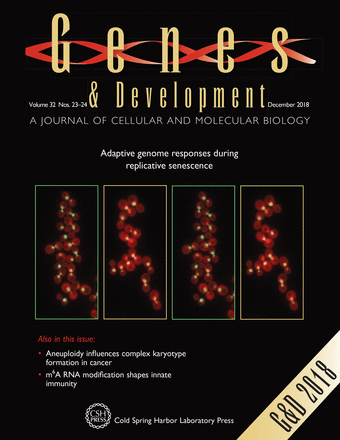
The latest publication of the new LCQB team "Telomere and Genome Stability" (Héloïse Coutelier and Zhou Xu) makes the cover of the December issue of Genes & Development!    The article (Coutelier et al. 2018 Genes Dev.) shows that telomere-induced senescent cells can adapt to the DNA damage checkpoint safeguard mechanism to force cell division, leading to increased genome instability, with important ramifications for aging and cancer. The cover displays cells bearing a fluorescent reporter construct monitoring of the checkpoint status in single cells.

0 Comments

Monod and the phenomenon of diauxie

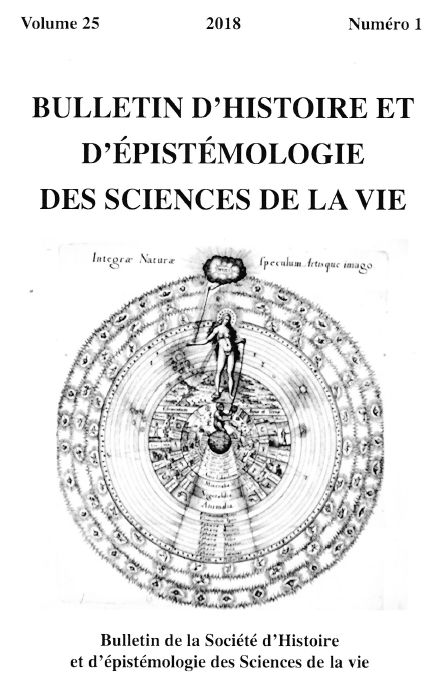
Pierre Louis Blaiseau of the Genetic Networks team recently published « Monod and the phenomenon of diauxie » in the Bulletin d’Histoire et d’Epistémologie des Sciences de la vie. This article described a part of the scientific activity of the Jacques Monod until then neglected by the historians: its interest during all its career for the mechanisms of enzymatic inhibition. Besides, it showed that, contrary to the standard narratives, the phenomenon of « diauxie » (double growth) was discovered by Monod during his thesis and not by the previous Frederic Diénert’s work

0 Comments

Diatom Functional Genomics Team

The Diatom Functional Genomics Team (L Taddei, GR Stella, JP Bouly, M. Jaubert and A. Falciatore) reported novel strategies to deal with environmental light stress in marine diatoms.  Their results recently published on Plant Physiology reveal that diatoms modulate non-photochemical quenching of excess excitation by activating different members of the LHCX protein family, with different light intensity activation thresholds and different patterns of association with photosystem II. This leads to mechanistically different and physically segregated excess energy quenching processes, as required for proper light-stress acclimation in the extremely variable conditions of the oceans.

0 Comments